Managing paper clutter is a common challenge in many households. From bills and receipts to mail and schoolwork, paper can quickly accumulate and create a messy environment. Reducing paper clutter not only clears physical space but also helps improve focus and reduce stress. This guide shares simple, practical ways to help you minimize paper buildup in your home.
Understanding the Paper Problem
Before tackling paper clutter, it’s helpful to understand where it comes from:
– Incoming mail: Bills, advertisements, newsletters, and junk mail.
– Household documents: Receipts, warranties, manuals, and important records.
– Kids’ papers: Schoolwork, artwork, and permission slips.
– Magazines and newspapers: Regular deliveries or impulse buys.
– Miscellaneous: Flyers, coupons, and notes.
Knowing these categories allows you to create targeted strategies for each.
Step 1: Sort and Purge Regularly
Start by sorting all paper into categories:
– Keep: Important documents such as tax records, legal papers, and warranties.
– Recycle: Junk mail, outdated magazines, and unnecessary flyers.
– Action: Bills to pay, forms to complete, or replies to send.
Once sorted:
– Recycle unwanted items immediately to avoid second-guessing.
– Shred sensitive papers before recycling to protect personal information.
– Schedule a weekly or monthly routine to manage new paper before it piles up.
Step 2: Digitize Important Documents
Reducing physical paper means converting important documents to digital copies:
– Use a scanner or smartphone app to create PDFs of bills, receipts, and manuals.
– Organize files into folders on your computer or cloud storage.
– Backup your files regularly to avoid loss.
– Set reminders for digital document review and deletion.
Digital copies save space and make it easier to search for and access documents.
Step 3: Control Incoming Paper
Preventing clutter begins with reducing what enters the home:
– Opt out of junk mail through services such as the Direct Marketing Association’s mail preference list.
– Switch to electronic billing and statements whenever possible.
– Use online subscriptions for newspapers and magazines.
– Ask for digital receipts at stores.
– Establish a family mail station where all incoming paper is collected for immediate sorting.
Step 4: Create a Paper Management System
Having a dedicated system helps keep paper organized:
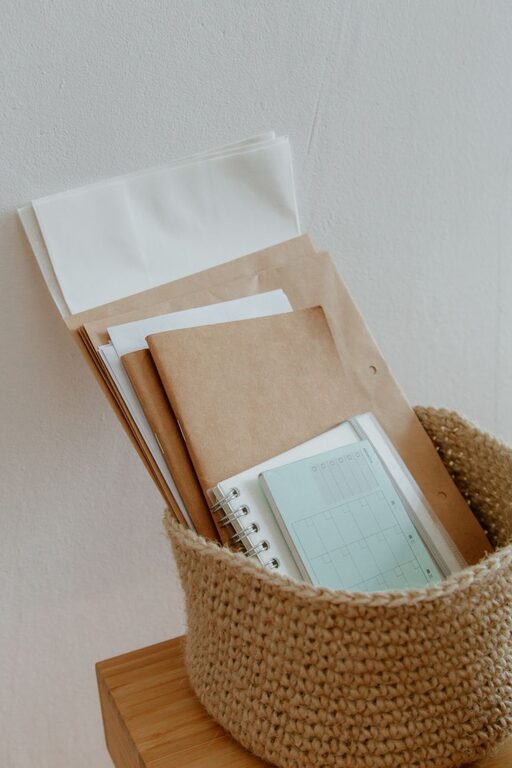
– Use labeled folders or bins for categories like bills, school papers, and receipts.
– Employ a filing cabinet, document box, or desktop organizer.
– Keep frequently used items within easy reach.
– Use color-coding for quick identification.
– Include an “Action” tray for papers needing attention.
Step 5: Implement a Habit of Daily Paper Check
Spend a few minutes daily handling paper to prevent buildup:
– Sort mail and papers as soon as they arrive.
– Recycle or file documents promptly.
– Update to-do lists or calendars with important information.
– Involve family members, encouraging children to manage their school papers.
Step 6: Reduce Paper Use at Home
Reducing paper clutter also means using less paper:
– Take notes digitally using apps or tablets.
– Print double-sided to save paper.
– Use reusable notebooks or whiteboards for reminders.
– Avoid printing emails or documents unless necessary.
Step 7: Manage Kid’s Paperwork Creatively
Children often bring home a lot of paper. Try these ideas:
– Set a limit on how many pieces of artwork or papers you keep.
– Photograph or scan children’s artwork and store digitally.
– Create a rotating display area for artwork at home.
– Use binders or portfolios to store important or sentimental papers.
Additional Tips for Maintaining Paper Order
– Regularly revisit your system to ensure it’s working.
– Involve the whole family in the process.
– Be mindful of what you bring into the home.
– Celebrate small victories in reducing clutter.
Conclusion
Reducing household paper clutter doesn’t require drastic measures. With simple routines like sorting, digitizing, controlling incoming items, and establishing an effective system, you can create a more organized and calm home environment. Regular attention and small lifestyle changes ensure that paper clutter stays manageable and your space remains enjoyable.
Remember, the key is consistency and choosing methods that work best for your household’s unique needs. Start small and build good habits, and soon paper clutter will be a thing of the past.
About the Author