Composting at home is a great way to reduce kitchen and garden waste while creating nutrient-rich soil for your plants. Whether you have a large backyard or a small balcony, starting a compost pile or bin can be simple and rewarding. This guide offers beginner tips to help you get started with composting at home effectively and confidently.
Why Composting Matters
Composting turns organic waste into valuable fertilizer by breaking down food scraps, leaves, and other natural materials. It reduces the amount of garbage sent to landfills and lowers greenhouse gas emissions. Plus, compost improves soil structure, retains moisture, and supports healthier plants.
Choosing the Right Composting Method
There are several ways to compost at home, depending on your space and preferences:
Backyard Compost Bin or Pile
If you have a yard, a compost bin or a simple pile is a popular choice. You can buy a ready-made bin or create your own from wood pallets or wire mesh.
Tumbler Composters
These are enclosed containers that you can rotate to mix your compost easily. Tumblers speed up the decomposition process and keep pests away.
Indoor Composting
For apartment dwellers, indoor composting options like worm bins (vermicomposting) or bokashi fermentation systems work well with limited space.
What to Compost: Materials to Include
Composting requires a balance of “greens” and “browns.” Greens are nitrogen-rich materials that help microbes grow, and browns are carbon-rich materials that add structure and air.
Greens (Nitrogen-Rich)
– Fruit and vegetable scraps
– Coffee grounds and filters
– Tea bags (without staples)
– Fresh grass clippings
– Plant trimmings
Browns (Carbon-Rich)
– Dry leaves
– Straw or hay
– Shredded paper and cardboard
– Wood chips or sawdust (untreated)
– Eggshells (crushed)
Avoid composting meat, dairy, oily foods, and pet waste, as these can attract pests and cause odors.
Getting Started: Step-by-Step Tips
1. Pick a Spot
Choose a well-drained, accessible spot for your compost bin or pile. Ideally, it should be partially shaded to prevent the compost from drying out.
2. Gather Materials
Collect your greens and browns in separate containers to make layering easier.
3. Set Up the Base
Start with a layer of coarse browns like twigs or straw to help air circulate at the bottom.
4. Alternate Layers
Add greens and browns in alternating layers. Aim for roughly three parts browns to one part greens to maintain a balanced mix.
5. Maintain Moisture
Your compost should feel like a damp sponge—not too dry or soggy. Water it occasionally if it gets dry.
6. Turn the Pile
Mixing the compost every few weeks introduces oxygen and speeds up decomposition. Use a garden fork or compost aerator.
Troubleshooting Common Issues
Odor Problems
A bad smell usually means the compost is too wet or has too many greens. Add more browns and turn the pile to improve airflow.
Slow Decomposition
If your compost isn’t breaking down, it might be too dry, too cold, or lacking nitrogen. Add water, greens, and turn the pile regularly.
Pests
To keep pests away, avoid adding meat or dairy and cover fresh food scraps with a layer of browns.
Harvesting Your Compost
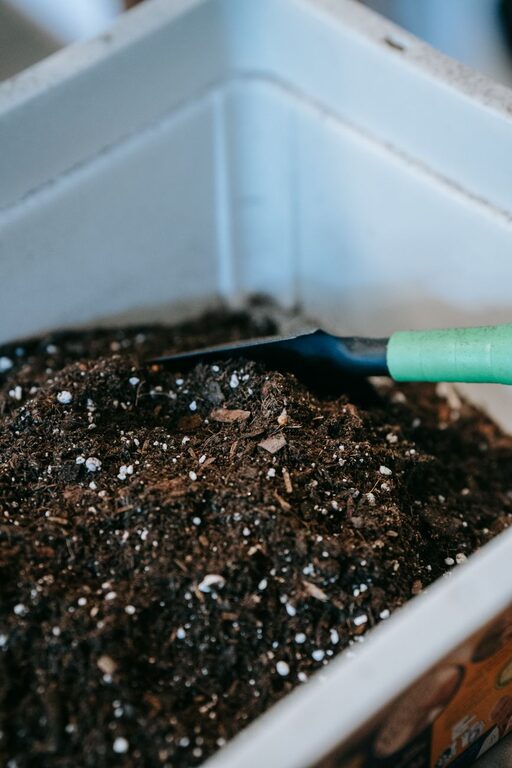
Compost is ready when it looks dark, crumbly, and smells earthy—usually after 3 to 6 months. You can use finished compost by:
– Mixing it into garden beds to enrich soil
– Using it as a top dressing for lawns and houseplants
– Creating potting mixes for seedlings
Additional Tips for Success
– Chop or shred larger waste items to speed up decomposition.
– Use a kitchen scrap bucket with a lid to collect food waste neatly.
– Consider adding earthworms to your compost pile—they help break down material faster.
– Be patient; composting is a natural process that takes time but is worth the wait.
Conclusion
Starting composting at home is an excellent step toward reducing waste and creating healthy soil for your plants. By understanding what to compost, how to maintain your pile, and troubleshooting common issues, you’ll enjoy the benefits of compost in your garden. Remember, composting is flexible, so find the method and routine that works best for you and your lifestyle.
Happy composting!
About the Author